
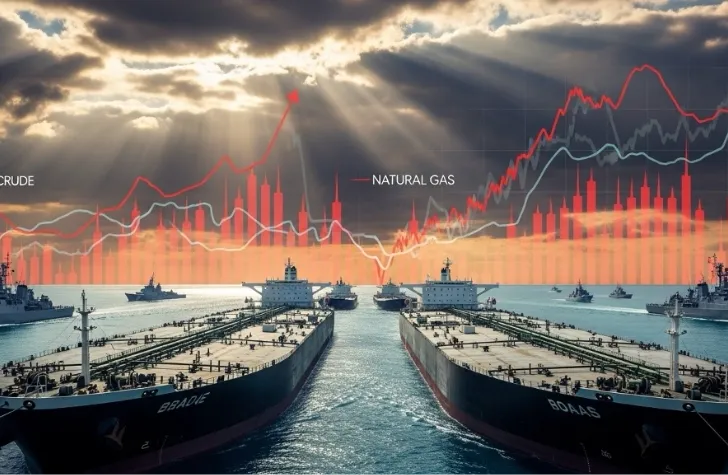
The most immediate impact on African cities was the sharp rise in fuel prices, which led to a widening of the inflation gap and at the same time strained household budgets. Before we dive into global maritime trade logistics, we first need to describe what a strait is.
The Strait of Hormuz is a narrow natural waterway connecting two large bodies of water. Some of the world's largest straits include the Strait of Malacca, which connects the Indian Ocean to the Pacific, the Strait of Singapore, located between the Strait of Malacca and the South China Sea, and the Strait of Hormuz, which connects the Persian Gulf to the Gulf of Oman and the Arabian Sea.
Other significant straits include the Strait of Gibraltar, which connects the Atlantic Ocean to the Mediterranean Sea and separates Europe from Africa; the Bosporus Strait, which connects the Black Sea to the Marmara Sea and then to the Mediterranean Sea via the Dardanelles; the Bering Strait, which connects the Arctic Ocean to the Pacific; the Bass Strait, which separates Tasmania from the Australian mainland and provides a direct sea route between the Indian and Pacific Oceans; and the Magellanic Strait, which connects the Atlantic and Pacific Oceans and historically served as an alternative route to the Panama Canal.
The Strait of Hormuz is the hub for about a fifth of the world's oil and liquefied natural gas flows. The war in the UAE has actually led to the destruction of critical energy infrastructure and supply disruptions, causing oil prices to exceed $100 a barrel, raising fears of a global energy crisis and demonstrating Africa's dependence on imported fossil fuels.
The aviation sector has been hit hardest, as much of the jet fuel and kerosene imported to Africa is shipped in transit through the Strait of Hormuz, making airlines particularly vulnerable to disruption. Aviation fuel accounts for over 40% of operating expenses.
On the other hand, in the UAE war, there are losers and winners. Oil-exporting countries such as Nigeria are benefiting from higher crude oil prices - the refinery of Africa's richest man Aliko Dangote has increased production for export to African countries.
In South Africa, rising oil prices have increased the likelihood of higher interest rates, while the country's benchmark stock index has fallen by about 10% since its peak in late February. Farmers in the region are also facing rising diesel prices, which is jeopardizing agricultural production ahead of winter sowing.
The energy crisis is putting pressure on African currencies as countries require more foreign currency to pay for fuel imports. Across the continent, rising freight rates associated with disruptions in shipping routes are exacerbating inflationary pressures.
As shipping through the Middle East becomes increasingly risky and expensive to insure, ships are sailing around Africa, increasing the demand for refueling services along the African coast.
Ports such as Lamu in Kenya, which were once underutilized, are seeing a surge in passenger traffic as dozens of ships seek alternative routes. Such growth in demand for services is making some regions of Africa emerging hubs of global maritime logistics and connecting them to lucrative supply chains.
Experts question the ability of Africa's economic structure to support current global energy security and trade routes.



Comments (0)