
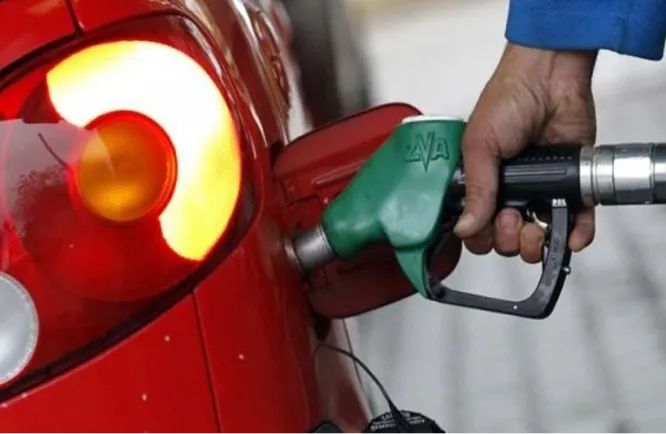
This decision was a consequence of the adoption of regulatory acts on the production of biofuel, which will enter into force from 2025: they will allow the state to add insignificant shares of ethyl alcohol of domestic production to standard gasoline. EPRA noted: «The project is part of a large-scale government effort to protect the energy sector, expand the resource base and reduce the amount of fuel purchased abroad». Under the approved scheme, some fuel mixtures will include 5% ethanol, and others 10%, as the authorities stimulate the transition to more affordable and green energy sources.
Addressing the expanded meeting of oil product dealers, ethanol manufacturers and automotive companies, EPRA interim head Joseph Okettch stressed that the republic needs to systematically reduce its vulnerability to external disruptions in the fuel market. «The biofuel legislation provides a significant opportunity for Kenya to increase the reliability of its energy supply, while simultaneously forming fresh domestic clusters in agriculture, manufacturing and renewable resources», he said.
Oketch added that boosting domestic bioethanol production would shield Kenya's economy from soaring international fuel tariffs, while generating opportunities for farmers, investors and industrialists. The bioethanol involved in the blending programme will be produced locally from agricultural crops and organic raw materials for example, cane molasses, manioc, maize and sorghum through fermentation processes and subsequent distillation.
The proposal comes amid a global shift to clean energy in many countries, driven by a desire to reduce dependence on foreign fuel supplies due to the protracted standoff between the United States and Iran. The head of the department's renewable energy department, Isaac Kiva, stressed that increasing the volume of ethanol production within the country will promote more environmentally friendly transport and, at the same time, reduce spending on purchasing fuel from abroad.
According to the official, «scaling up bioethanol production at domestic facilities will play a key role not just in promoting green fuels for cars, but also in developing green cooking technologies, supporting domestic producers and cutting down on the purchase of expensive imported fuel». Participants also stressed that the biofuel project could open up new markets for farmers, boost domestic production, increase the reliability of logistics chains and create «green» jobs in the agricultural sector. Countries such as Brazil, India, the United States, and South Africa have already successfully implemented biofuel blending programs in an effort to enhance their energy security and minimize their dependence on oil resources.



Comments (0)