
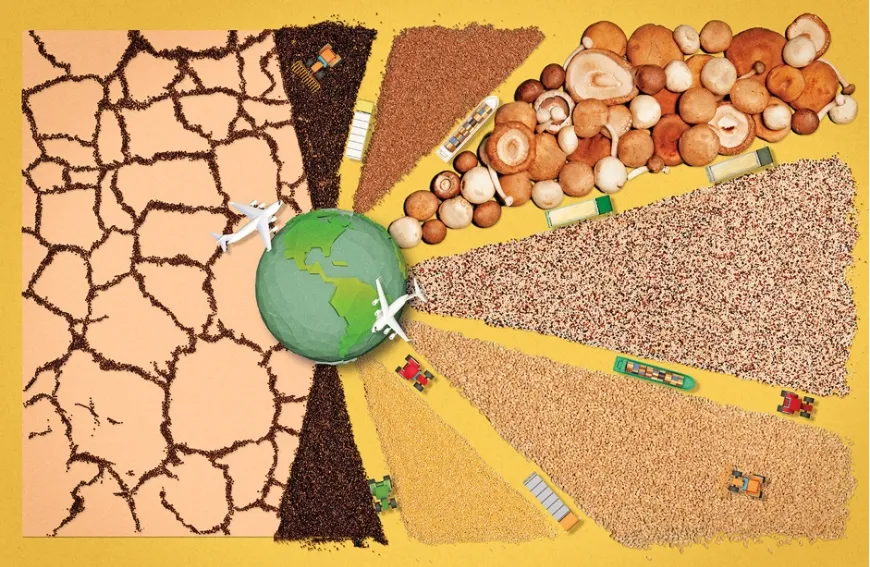
The main long-term threat in East Africa is climate change. The region is predominantly agricultural, while the agricultural sector is almost entirely dependent on natural precipitation, which makes it extremely vulnerable to climatic fluctuations. The dry spells lasting from the end of May 2026 to the present have negated the favorable conditions for the start of the season in Kenya and Uganda, and the unstable «Gu» season (the period of «heavy rains» lasting from March to May and being the main source of water for the Horn of Africa) threatens crops in Somalia and Ethiopia.
The situation is particularly dramatic in the Karamoja region of northern Uganda, where prolonged drought has led to crop loss and deaths from starvation.
In addition to droughts, pests pose a serious threat to agriculture. The Food and Agriculture Organization of the United Nations has recorded widespread damage to pastures and crops in Eastern Ethiopia, Central Somalia and Northern Kenya due to the invasion of desert locusts.
According to a number of international indices, more than 60% of East African countries remain vulnerable to climate risks, and 63% of them have a global hunger index above 35 points, indicating a difficult or alarming situation.
The second critical factor exacerbating the food crisis in the region is armed conflict. The situation is particularly serious in Sudan, South Sudan, Somalia and Ethiopia, where fighting has led to massive population displacement, damage to agricultural infrastructure and disruption of food supply chains.
In response to the growing instability, the Regional Development Authority (IGAD) has stepped up efforts to coordinate food security measures. However, it seems unlikely that this task will be solved in the foreseeable future without the cessation of armed conflicts.
The food crisis and economic instability are significantly exacerbating. High inflation remains in the region: As of the beginning of 2025, its annual average reached 19.9%, and the cost of the local food basket increased by 60.5% compared to the previous year.
Rising prices for fuel, transport and food, caused in particular by the conflict in the Middle East, are putting pressure on vulnerable segments of the population. In the countries of the region, national currencies are depreciating, which also increases the cost of imported products.
In addition, the increase in fertilizer prices poses an additional threat. For East Africa, where many farmers depend on imported fertilizers, this could lead to lower yields and higher food costs in the long run.
Finally, a significant reduction in international humanitarian assistance seriously undermines the ability to respond to the food crisis. The closure of USAID and reduced funding from other Western countries led to the collapse of the global humanitarian response system. The World Food Programme (WFP) was forced to radically limit its activities. At the same time, the measures taken by national Governments cannot fully compensate for the shortfall in international funding.
In this regard, scientists and relevant experts identify several key areas to overcome the crisis.
The main ones are the intensification and digitalization of agriculture, investments in water infrastructure (the development of irrigation systems will reduce dependence on irregular rainfall), strengthening regional cooperation, resolving armed conflicts and supporting local initiatives in the face of reduced international aid.
Thus, the food situation in East Africa remains difficult and is determined by a combination of climatic, economic, political and humanitarian factors. Improving the situation in the region requires an integrated approach and cooperation between national authorities, regional structures and international partners.



Comments (0)