
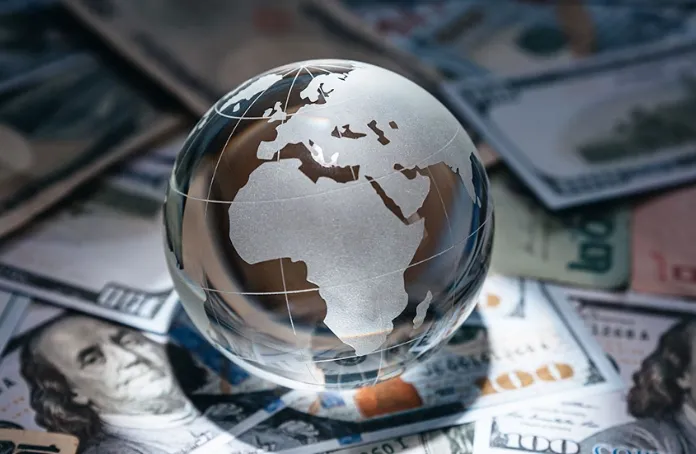
These changes do not imply an instant abandonment of the US dollar. Rather, it is a gradual and increasingly coordinated process in which emerging economies seek to diversify their payment systems, expand trade in their own currencies, strengthen alternative reserves, and form financial networks that are less susceptible to geopolitical friction and the risks of sanctions. What was previously the subject of theoretical discussions is increasingly becoming a practical reality.
Some BRICS member states are actively developing initiatives to improve payment integration and implement settlements in national currencies, which aim to simplify international transactions by bypassing traditional dollar channels. The impact of these steps goes beyond the banking sector. For decades, the dollar has served as the basis for global trade, international reserves, commodity pricing, and financial markets. This dominance provided stability and liquidity, but also created a system in which global trade and finance remained strongly tied to one currency.
Today, increasing geopolitical competition and changing economic centers of power are encouraging many countries to strive for greater financial independence. Discussions around cross-border digital payment systems are increasingly focused on issues of compatibility, sustainability, and monetary sovereignty, rather than just transaction efficiency.
At the center of this transformation is the development of an alternative financial system. Instead of creating a single currency for the BRICS countries, the focus is on payment systems that link national currencies and central banks' digital currency platforms. The main goal is to reduce transaction costs, increase settlement flexibility and reduce dependence on external financial constraints.
The economic consequences can be significant. A more active use of national currencies in international trade can gradually change approaches to reserve management, influence capital flows and change the dynamics of international lending. Central banks are already working to diversify reserves, while gold purchases remain high in several developing countries. Investors are closely watching how financial fragmentation may affect global liquidity and long-term stability of markets.
From the point of view of geopolitics, the transition to new currencies symbolizes a broader redistribution of power. Developing countries are striving for greater influence on the establishment of rules and the functioning of institutions governing global finance. Recent initiatives by the BRICS countries to promote discussions on financial reforms and alternative payment systems demonstrate the growing confidence of these countries, which account for a significant portion of global economic growth and trade. Africa occupies a key position in this changing context.
As trade links with Asia, the Middle East, and other developing regions strengthen, African economies are becoming more integrated into new financial flows. The continent's critically important minerals, expanding consumer markets, and increasing role in global supply chains are making Africa increasingly important in discussions about the future of the international trade architecture. However, serious challenges remain.
The dollar continues to benefit from deep capital markets, institutional trust, legal protections, and network effects that are difficult to replicate quickly. Most experts believe that any transition will take place gradually, rather than through drastic changes. Thus, the future monetary system is likely to become more diverse rather than completely changed.
Looking ahead, the main question is not whether the dollar will disappear from the international financial scene — it will remain a key element for many years to come. More important is the speed with which alternative systems will form and the impact they will have in an increasingly multipolar economy. The overall picture is becoming more and more obvious. The world is entering an era where financial power is more evenly distributed, payment systems are becoming more diverse, and the influence of currencies is being questioned more than ever in recent decades. This transformation is steadily changing the future of the international arena.

Comments (0)