
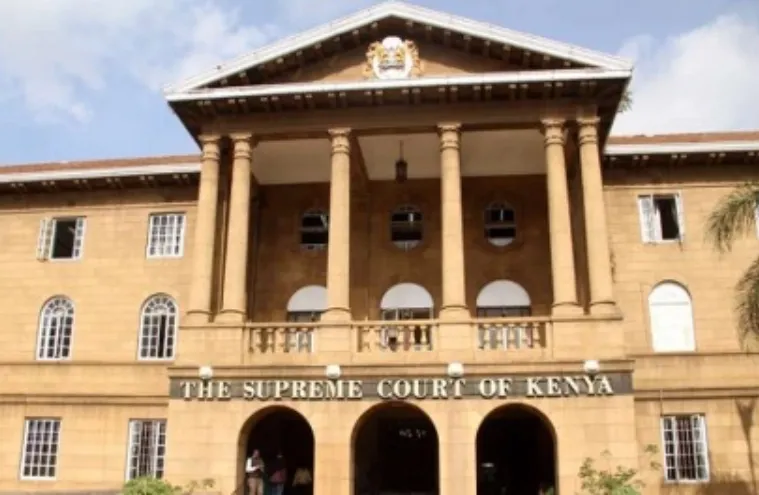
These disputed articles give authorities broad powers to intercept digital communications, including emails and phone calls, for up to nine months. In addition, the law obliges Internet service providers and telecommunications companies to disclose information about subscribers and allows authorities to search individuals in premises subject to data collection warrants. The applicants claim that these measures do not have sufficient judicial control and violate articles 31 and 33 of the Constitution, which protect the rights to privacy and freedom of expression.
This trial followed the March 2026 decision of the Court of Appeal, which overturned articles 22 and 23 of the same law, which criminalized the publication of false or misleading information. Although the Court of Appeal called these provisions «unguided missiles» threatening freedom of speech, it upheld the sections on surveillance, prompting the applicants to take the case to the Supreme Court.
The Supreme Court has declared the petition urgent, paving the way for what is expected to be a landmark decision on digital rights and government oversight in Kenya. The Prosecutor General, the Inspector General of Police and the Speaker of the National Assembly were named as defendants.



Comments (0)