
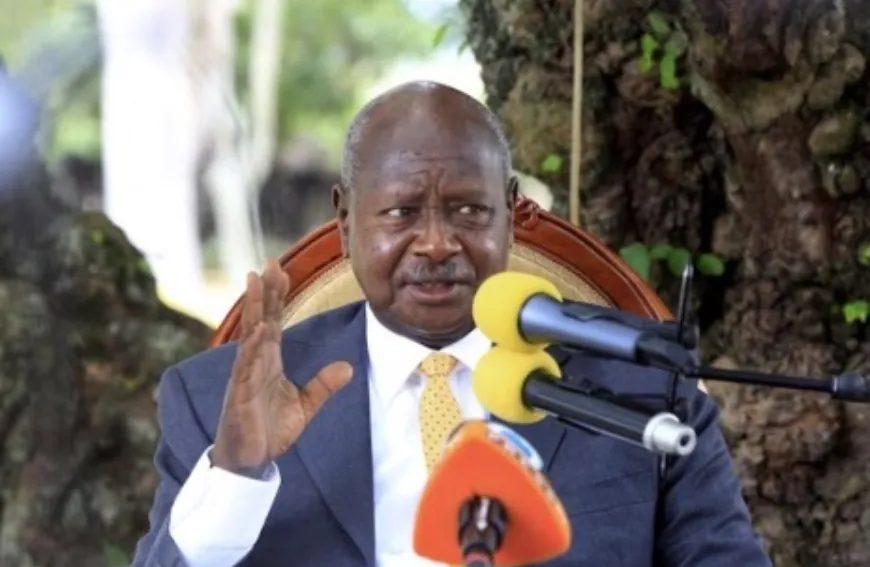
President Museveni, who has been in power since 1986, and his ruling party allies often criticize foreign interference, arguing that domestic political rivals receive international funding to promote programs such as LGBTQ rights. As a result, the new law prohibits individuals working on behalf of foreign countries from developing or implementing policies without government approval. It also criminalizes promoting «the interests of a foreigner against the interests of Uganda», with violators facing up to 10 years in prison. Human rights organizations claim that such broad language can be used to criminalize almost any form of political opposition, although the Government claims that these concerns are exaggerated.
The final version of the bill provides for a reduction in restrictions on foreign financing. A previous provision that required any Ugandan who receives money from abroad to register as a foreign agent has been changed so that it applies only to those who receive funds for political purposes that promote foreign interests. This change was prompted by warnings from Central Bank Governor Michael Atinga-Ego, who warned that the initial proposal would lead to a reduction in vital financial flows and depletion of foreign exchange reserves.
The World Bank also expressed concern, noting that the bill could lead to criminal liability for routine development activities such as policy discussions. It remains unclear whether the parliamentary amendments will fully resolve these issues. Earlier, the World Bank suspended new lending to Uganda in 2023 after the adoption of the anti-homosexuality law, resuming financing only two years later after reaching a compromise with the government.



Comments (0)