
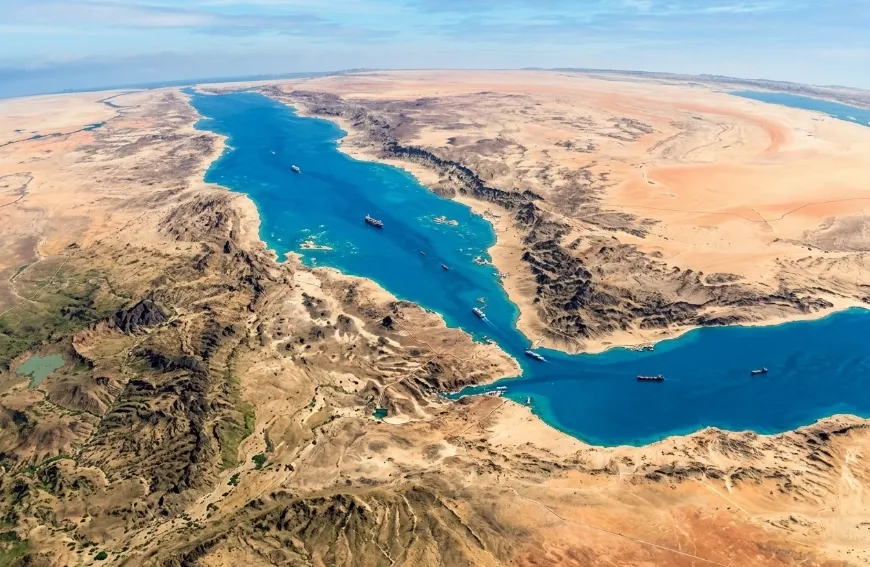
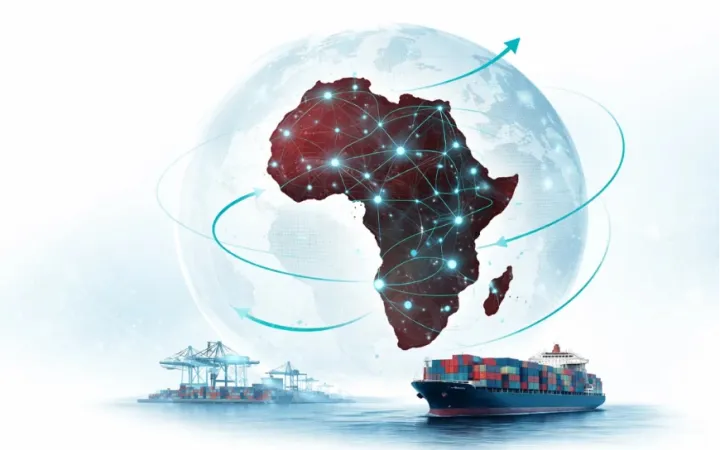
Unlike the UAE, which historically focused on ports and logistics, Saudi Arabia is taking a broader and more systematic approach. It is not limited to purchasing individual assets but is creating entire «ecosystems» that directly link African resources — minerals, food, and energy resources — with Saudi Arabia’s industrial needs. The reason for this heightened focus on East Africa is obvious: it is due to its geographical location. The region is situated at the crossroads of strategically important routes between the Red Sea and the Indian Ocean and simultaneously serves as an outlet to the interior regions of the continent. For a kingdom that is extremely concerned about food security, the fertile lands and water resources of East Africa become a natural insurance against disruptions in global supply chains. Through subsidiaries such as SALIC, Riyadh is already purchasing agricultural products from across the continent, ensuring stable supplies to the domestic market.
This shift is most clearly evident in the struggle for critically important minerals. To transition to electric vehicles and renewable energy sources, Saudi Arabia needs copper, lithium, and nickel. Through the recently established company Manara Minerals, Riyadh is seeking deposits of these resources in the Democratic Republic of the Congo and other countries.
At the same time, Saudi Arabia’s interest is not limited to raw material extraction. It also involves creating a sustainable link between African deposits and Saudi processing plants, as well as industrial centers. Energy also plays a dual role in this scheme. Saudi Arabia remains an oil giant, but at the same time it seeks to take a leading position in the field of «green» hydrogen. The enormous potential of solar and wind energy in East Africa makes the region an ideal platform for testing technological partnerships that, in the long term, could integrate it into the global green energy network. This is a carefully calibrated strategy: today — financing infrastructure, tomorrow — strengthening the security of supply chains for the energy transition.
Due to the influx of foreign capital, the governments of East African countries have once again found themselves in a familiar, yet extremely challenging situation. The leadership of Kenya, Uganda, and neighboring states is in dire need of funding to modernize their ports and promote industrialization.
However, behind the competition for investment lies a more serious issue. When foreign powers obtain long‑term concessions for ports, land, and mining rights, the boundary between «partnership» and «control» begins to blur. East African countries have to strike a balance between the urgent need for funds for infrastructure and the long‑term threat of losing sovereignty over strategic assets.
Is this a new golden age of development or another form of resource dependence? The answer is likely hidden in the details of the contracts signed between countries. For now, Saudi Arabia’s strategy is clear: it is securing its own future by strengthening its position in one of the most dynamic regions of East Africa. Whether the host countries will be able to use this interest to achieve genuine and independent prosperity is one of the key questions of the decade.

Comments (0)