
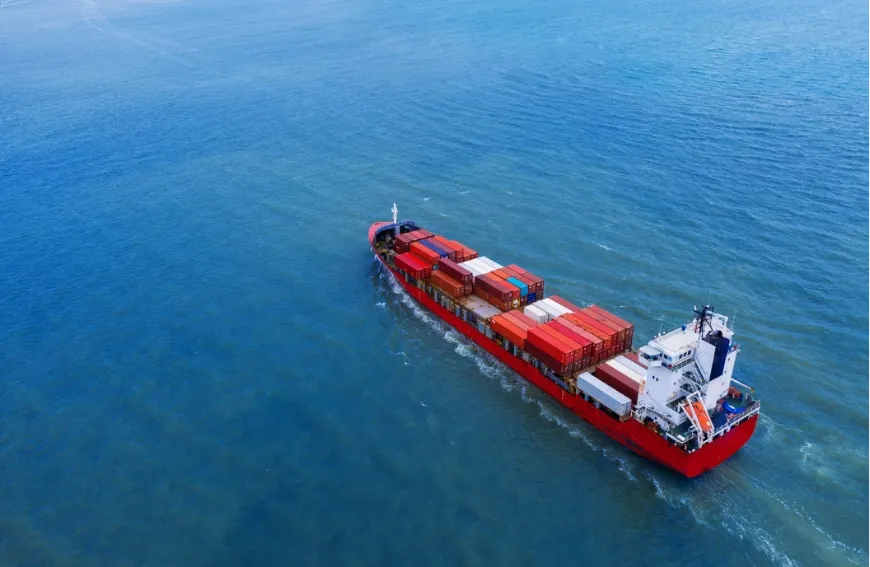
The amount of this funding exceeds $2 million and is aimed at restoring and ensuring the safety of strategically important river corridors in order to bring production zones out of isolation and simplify the delivery of agricultural products to major consumption centers. The project is being implemented jointly by FOREC, which is under the supervision of the Ministry of National Economy, and RVF, which is subordinate to the Ministry of Transport, Roads and Decontamination.
The initiative is based on the fact that the DRC has approximately 16,000 km of navigable waterways — this is a significant resource for the country’s economic integration; however, its use is seriously limited due to deteriorating navigation conditions, insufficient marking of fairways, and numerous physical obstacles. In this regard, the programme provides for the priority development of sections with a total length of 2,299 km, divided into two main corridors.
The first corridor covers the north‑western direction, leading from Kinshasa to Ndomba. It includes the section of the Congo River up to Kwamout (193.5 km), as well as the Ubangi River (356 km) and the Lualaba River (142 km) up to the Gemena region. The second corridor is a central‑southern route connecting Kinshasa with the country’s main production basins and consumption centres.
This project is part of FOREC’s efforts to assist the government in implementing a policy of ensuring an uninterrupted supply of essential goods to the country, in particular within the framework of various economic missions across the state.
With this funding, the authorities expect to improve the navigability of the main waterways, reduce transport costs, and make trade more efficient. The goal also is to strengthen ties between production zones and major consumption centers, while giving a new impetus to river transport, which is seen as one of the key tools for economic development and overcoming the isolation of the DRC.
Comments (0)