
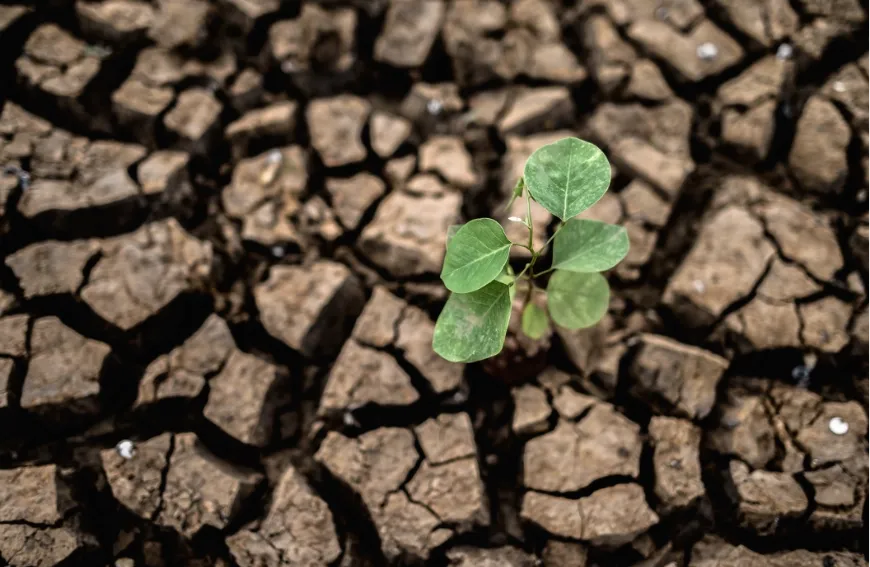
The project «Accelerating the Transformation of food systems for Climate Resilience in Africa» was presented on August 6 during a national introductory workshop held at the Protea Hotel in Entebbe. The initiative, supported by the United Nations Economic Commission for Africa, the African Union, the Intergovernmental Authority on Development and other development partners, will focus on strengthening land management and addressing vulnerabilities affecting Uganda's agricultural and livestock sectors.
Nabakoba noted that climate change is increasingly threatening livelihoods, food production and economic growth due to prolonged droughts, floods, land degradation and conflicts over natural resources. «Sustainable food systems require secure land rights, reliable climate information, sound policies, and strong institutions working together», Nabakooba said.
She stressed that Uganda will not be able to build sustainable food systems if it focuses only on agricultural production and does not address issues of land ownership, access, management and disposal. Millions of Ugandans depend directly or indirectly on agriculture and animal husbandry, so land management is a key element of food security and adaptation to climate change.
Nabakooba stated that secure land rights give farmers and other land users confidence that they can make long-term investments in their plots, increase productivity, and implement practices that help communities cope with climate shocks. She added that strong land rights can also reduce the number of land disputes and create conditions in which communities, farmers and investors can plan for their future.
«The Ministry of Lands, Housing and Urban Development joined this initiative because effective land management is the foundation for sustainable development and adaptation to climate change. Our ministry continues to promote reforms that improve land administration, support responsible land management, and expand access to land information», Nabakooba said.
The project will focus on four main areas: land rights guarantees, livestock value chains, livestock index insurance, and climate and land information systems. The results of the assessment are expected to provide an evidence base that will help guide policy reforms, shape investment decisions, and strengthen Uganda's response to climate risks and vulnerabilities in the food system.
Special attention to animal husbandry is critical for pastoral communities, which remain particularly vulnerable to droughts, pasture shortages, and other climatic impacts. The project will also explore the potential of index-linked livestock insurance as a tool that can help farmers and pastoralists mitigate financial losses related to climate risks.
Improved climate and land information systems should facilitate better planning and decision-making by providing reliable data on the relationship between changing weather conditions, land use and agricultural production. Nabakooba called on the project participants to ensure that its recommendations reflect the realities of Uganda and meet the challenges faced by local communities.
She also called for closer cooperation between government agencies, local authorities, research institutions, development partners, civil society and the private sector in order to achieve tangible results. Nabakooba warned against programs that limit themselves to preparing reports without turning conclusions into practical actions. «The results of this project should not remain on paper. They should form the basis of more effective policies, guide future investments, and strengthen decision-making at both the national and local levels», she said.
The Government is expected to work with development partners throughout the three years of implementation, and the program will focus on strengthening land rights, expanding access to climate and land information, building institutional capacity, and developing data-driven policies.
The initiative comes amid growing pressure on Uganda's land and natural resources caused by changing weather conditions, population growth, and increased demand for agricultural land. Therefore, for the Ministry of Lands, strengthening land management is not only the protection of property rights, but also an important component of supporting agricultural production, rural communities and resilience to climate change.
Nabakooba noted that the project provides a chance to make land management a central element of Uganda's climate and food agenda, as well as to ensure that communities dependent on agriculture and livestock are better prepared for future climate shocks.


Comments (0)