
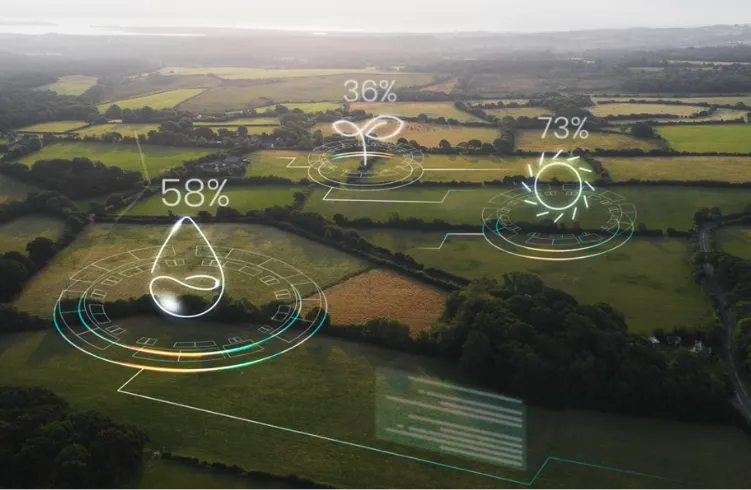
The latest phase, which started in Addis Ababa, Ethiopia, was the largest expansion of the program since its pilot launch in 2023. It brought together about 100 phytosanitary specialists from 18 new participating countries to complete a one-week training course aimed at strengthening pest detection, monitoring, and reporting using geospatial technologies and standardized digital tools.
The workshop, organized by the Ethiopian Agricultural Authority (EAA), also includes observers from Yemen, representatives of the countries involved in the first two phases (including Uganda, Egypt, Mali and South Africa), as well as FAO plant protection specialists from across Africa. Participants will receive tablets with adapted pest monitoring applications and will undergo practical field exercises using harmonized survey protocols developed by technical experts. The program follows the «instructor training» model, and participants are expected to return home and train colleagues at their National Plant Protection Organizations (NPOs).
The initiative is being implemented against the background of the desire of African countries to reduce crop losses and improve compliance with international phytosanitary standards, which remain a serious barrier to agricultural exports. According to reports, up to 30% of African agricultural products are rejected due to non-compliance with sanitary and phytosanitary (SPS) requirements.
Ambassador Diriba Kuma, Director General of the Ethiopian Agricultural Authority, said that strengthening technical capacity would be crucial to protect agricultural trade. «This workshop will create the critical human resources needed to remove trade barriers and expand access to global markets». He noted that plant pests require coordinated actions at the continental level, rather than isolated national measures. «To ensure food security and strengthen our economies, we need a unified, data-driven and highly coordinated front. The African Phytosanitary Program represents exactly the strategy and continent-wide framework that we need to protect our plant resources and agricultural trade from destructive pests», he added. Diriba also highlighted the continued implementation of the IPPC ePhyto solution in Ethiopia and the use of the IPPC phytosanitary Capacity assessment tool to implement the country's five-year plant health strategy.
The third phase builds on previous rounds launched in 2023 and 2025, which trained officials from 20 African countries, including Uganda, Kenya, Zambia, Zimbabwe, South Africa and Tunisia. According to the program's partners, participating countries are already reporting tangible results. Egypt used harmonized monitoring data to ensure access to new export markets for citrus fruits, mangoes and grapes in the Dominican Republic and Peru. Kenya and Uganda have increased routine monitoring of dangerous pests such as Xylella fastidiosa and the banana bush virus, and Mali has allocated additional national resources to expand APP training and digital monitoring systems.
Enrico Perotti, secretary of the International Plant Protection Convention, warned that climate change, increased trade and increased international travel continue to accelerate the spread of plant pests. «We must make the most of all the lessons learned here so that the price we pay in the future is not too high». He added that stricter compliance with international phytosanitary standards would also enhance Africa's competitiveness in global agricultural markets.
Although some countries have abolished import duties on agricultural products from Africa, non-compliance with the SPS measures may continue to hinder Africa's access to international markets, affecting economic growth. Therefore, compliance with international standards will contribute to Africa's efforts to improve trade, provide food for a growing population, and ensure food security.
The FAO states that the program also creates a continent-wide professional network that allows countries to share monitoring data and technical expertise. «The African Phytosanitary Program is not just the introduction of new tools or technologies. It helps to create a community of professionals who can learn from each other, support each other and work together to strengthen plant protection systems across the continent», said Orlando Sosa, FAO's Acting Representative in Ethiopia.
Saliu Niassi, coordinator of the Inter-African Phytosanitary Council of the African Union (AU-IAPSC), called the initiative a milestone in the harmonization of plant protection systems in Africa. «The African Phytosanitary Program represents one of the continent's most ambitious efforts to create a functional, harmonized and digital phytosanitary network. The value of the program lies in the fact that, for the first time, plant protection experts across Africa have access to the same information platforms».
Mohamed Habib Bin Jamaa, Executive Director of the Middle East and North Africa Plant Protection Organization (NEPPO), called for greater private sector involvement in the development of innovative pest control technologies. «We note the need for the private sector to participate in expanding access to innovative technologies and intelligent pest control tools. We need to increase the number of public-private partnerships or forums that bring together innovators, regulators, farmers, donors, importers, exporters, and policy makers». The program is funded by the European Union and the United Kingdom, building on initial support provided by the U.S. Department of Agriculture's Animal and Plant Health Inspection Service, which funded the pilot phase in 2023.


Comments (0)