
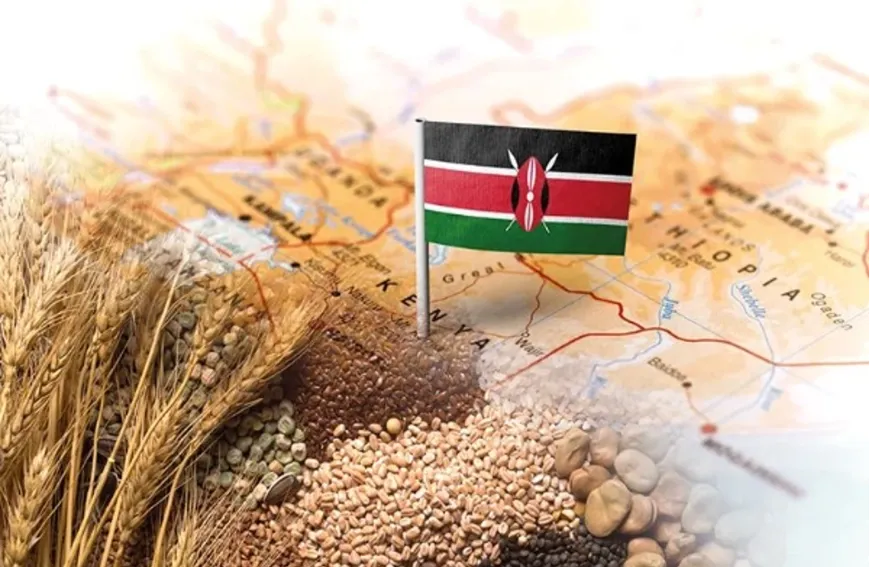
During the World Food Safety Day event, KALRO CEO Patrick Ketim reported that aflatoxin levels reached 500 parts per billion (ppb) in some samples. This far exceeds the maximum allowable limit of 10 parts per billion set by the World Health Organization. «The only acceptable limit is 10 parts per billion. If you exceed ten, it cannot be accepted», Ketim said.
Aflatoxins are toxic substances produced by fungi that multiply on crops such as corn, sorghum, millet, and peanuts, especially when stored in poor conditions. These toxins are associated with serious health risks, including liver cancer, weakened immune systems, birth defects, and stunted growth in children, which pose a serious threat to food safety in developing countries.
KALRO cited the high cost of safety testing as the main obstacle, noting that these costs remain prohibitive for many small farmers and traders. Ketim called for measures to increase the cost of testing services.
In response to these findings, the Kenyan Bureau of Standards (KEBS) has stepped up the fight against unsafe food. KEBS Director of Quality Assurance Jeffrey Muriira confirmed that the agency has increased inspections and supervision to ensure that all food sold in Kenya meets safety requirements. «If it's unsafe, then it's not food, and we want to bring this to everyone because it's a shared responsibility», Muriira said.
The authorities attribute the high level of pollution primarily to poor post-harvest processing, insufficient drying and improper storage methods.


Comments (0)