
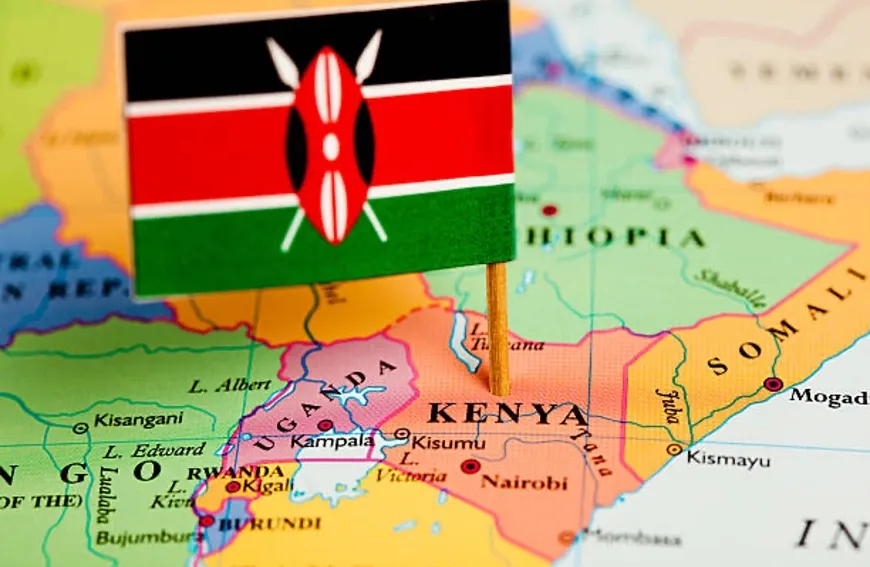
Speaking at the opening of the 79th meeting of the Executive Committee of the Afro-Asian Organization for Rural Development (AARDO) in Nairobi, Minister of Agriculture Mutahi Kagwe stressed the need to strengthen partnerships between member countries in the fields of agriculture, health, industrialization and digital transformation. In a speech delivered on his behalf by the Minister of Agriculture, Father Owoko, Kagwe stated: «Collaboration with AARDO member countries can play a transformative role in facilitating the transfer of appropriate, affordable and scalable technologies suitable for rural settings». He added that using the collective experience, these countries can build a sustainable economy and ensure common prosperity.
Kagwe highlighted Kenya's role as a strategic source of investment in East and Central Africa, noting significant opportunities in agricultural processing, renewable energy, ICT, pharmaceuticals, and infrastructure. He also praised the growing partnership between Kenya and India in key sectors.
AARDO Secretary General Manoj Nardeosingh warned that rural people in Africa and Asia are increasingly threatened by food insecurity, climate change and rising raw material costs. «We must act urgently, visionarily and in solidarity to create sustainable, inclusive and empowered rural societies», Nardeosingh said. He noted that while many of the Sustainable Development Goals and targets of the African Union's 2063 Agenda remain unfulfilled, AARDO is stepping up its efforts in human resource development and regional partnerships to assist Governments.
Rohit Kansal, India's Minister of Rural Development and President of the AARDO Executive Committee, announced that India has allocated an additional $750,000 to support AARDO's human resource development programs from 2025 to 2027. These funds will be used for training, seminars, scholarships and study trips. Kansal also noted that artificial intelligence and digital innovations open up new ways to manage agriculture more wisely and improve the provision of public services in rural areas.


Comments (0)