
The main problem for the continent is the lack of universal access to environmentally friendly fuels for cooking. Nearly a billion people in sub-Saharan Africa depend on polluting biomass such as firewood and charcoal, which leads to 815,000 premature deaths and the deforestation of 1.3 million hectares of forests each year. Tanzania has made significant strides in addressing this issue, with access to sustainable food rising from 6.9 percent in 2021 to 23.2 percent by early 2025. To achieve its goal of 80% adoption by 2034, the government has launched a national communications strategy worth 130 billion shillings. Despite the progress made, problems such as the availability and reliability of energy supply persist, which often forces households to use traditional fuels along with modern alternatives.
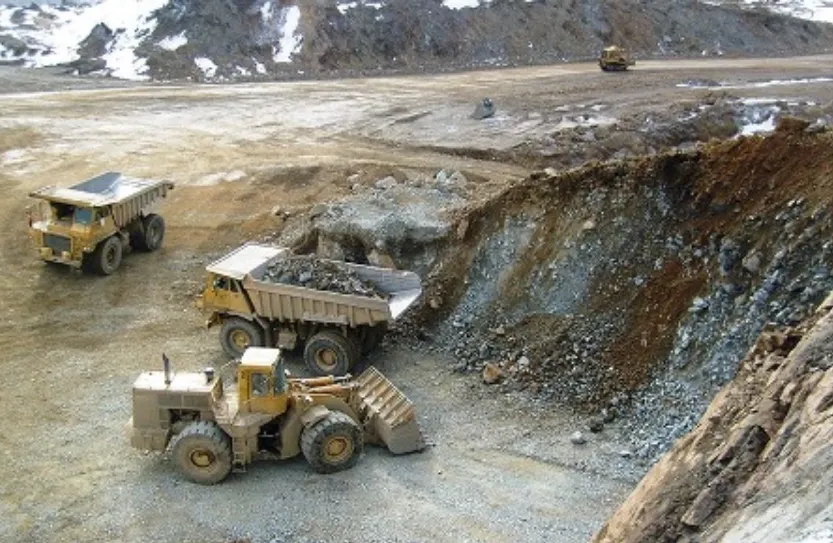
In the mining sector, Zambia remains a cornerstone of the global energy transition. As the second largest copper producer in the world, Zambia has increased production to about 820,676 tons in 2024 and 890,346 tons in 2025. Because copper is needed for renewable energy and electric vehicle infrastructure, the Zambian government aims to triple production to 3 million tons by 2031. Meanwhile, in 2025, Tanzania's mining sector, which includes gold, nickel, cobalt and rare earths, accounted for more than 11% of the country's GDP. Both countries recognize that the integration of environmental, social and governance principles (ESG) is vital to ensure sustainable growth and attract international investment.
For example, harmonized regulatory regimes and standardized supply chain management increase investor confidence and reduce transaction costs. In the energy sector, coordinated investments in renewable energy generation and distributed clean fuel supply chains can strengthen the energy security of both countries and the region as a whole. The upcoming 2026 Forum serves as a platform to formalize these efforts, bridging the gap between policy and implementation in the private sector. Using their shared heritage and complementary resources, Tanzania and Zambia demonstrate how African countries can work together to ensure sustainable development across the continent.



Comments (0)