

In his speech, Mukwege emphasizes that this date commemorates the fates of men, women and children who fell at the hands of rapists, were forced to leave their homes or survived brutality. He calls it the largest humanitarian disaster since the Second World War. The laureate expressed solidarity with the survivors, the families of the victims and the communities suffering from the consequences of the war caused by the thirst for the possession of Congo's natural resources.
The recognition of the Génocost concept is an important step in fulfilling our moral duty to the fallen. However, he emphasizes that this recognition will only matter if there is political will to eliminate the causes of conflicts and ensure that victims have access to justice, truth, compensation and guarantees to prevent a repeat of the disaster.
Mukwege recalls that since the beginning of the Second Congolese War in 1998, residents of the eastern Territories have continued to face massacres, violence, migration, child recruitment, lynching and plundering of resources. Special mention is made of the crimes committed by the ADF in Beni and Mambasa, which should not be ignored.
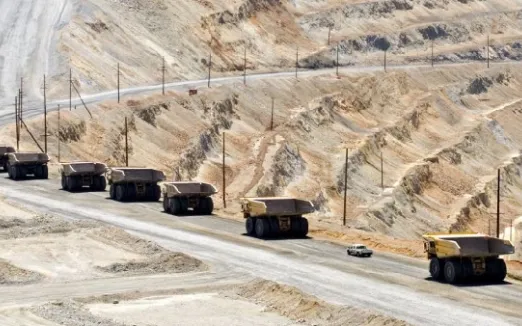
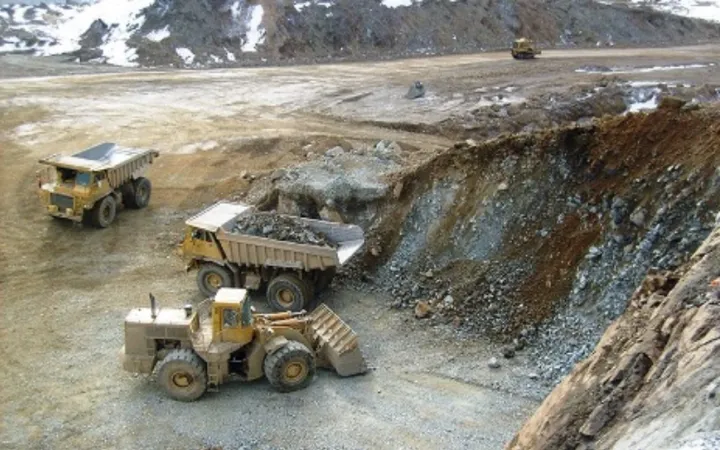
Reports from the United Nations and other organizations have repeatedly pointed to the link between conflicts, illegal extraction of resources and interference by external forces. Cobalt, coltan, gold and other minerals remain the core of the geostrategic ambitions fueling the conflicts in the Congo.
The laureate believes that the blame lies not only with foreign powers. He condemns internal complicity, corruption, waste of resources, and the degradation of institutions that have facilitated aggression. Mukwege demands reform of the judicial system, security agencies and the State apparatus.
In the legal aspect, he insists on the implementation of the UN Mapping Report 2010 and the prosecution of those responsible. He once again raises the issue of the establishment of a Special Criminal Tribunal for the DRC.
Mukwege calls on the Congolese leadership to integrate the perpetuation of memory into public policy, proposing the creation of a National Memorial in Kinshasa and commemorative signs in the affected provinces. These sites will be places of veneration for victims, storage of evidence and transmission of historical memory.
Finally, he insists on ending illegal mining and export of minerals, strengthening control over their origin, prosecuting smugglers and developing local processing so that natural resources become a catalyst for progress rather than wars.
In conclusion, Mukwege states that memory has value when it turns into actions. He calls for turning the «resources of conflict» into «resources of peace», replacing impunity with justice and suffering with hope. This will allow the Congo to regain sovereignty, honor the memory of the dead and build a State based on peace, dignity and self-determination.

Comments (0)