
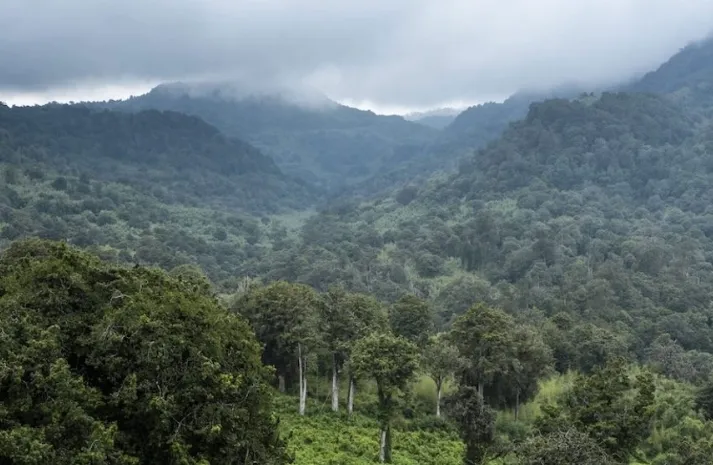
Christian Lambrechts, Executive Director of Rhino Ark Kenya, emphasized in a statement that the foundation, as a long-standing partner in protecting the ecosystem of Mount Kenya, has invested over 1 billion Kenyan shillings in environmental projects over the past 14 years. Among them are 320 kilometers of electric fences around the forests of Mount Kenya, of which 54 kilometers protect the Upper and Lower Namenty forest reserves. These investments have significantly reduced conflicts between humans and wildlife, ensured the safety of local communities, and strengthened efforts to preserve one of Kenya's most important ecosystems.
Rhino Ark is aggressively appealing to NEMA and all relevant government authorities to immediately stop construction work and ensure full compliance with all legal regulations, environmental standards, and public participation procedures before taking further steps. Protecting the ecosystem of Mount Kenya is not only a legal duty, but also a national responsibility. The long-term importance of preserving one of Kenya's key water towers, wildlife habitats, and biodiversity centers far exceeds the short-term benefits of building an airstrip in a protected forest reserve.
The runway is being built in a protected forest area, which is part of the ecosystem of the forests of Mount Kenya, which has received the status of a national reserve to ensure maximum protection of its ecological, biological and watershed functions.
Rhino Ark expresses deep concern that public consultations have not been conducted as required by the Kenyan Constitution, an environmental and social impact Assessment (ESIA) has not been carried out in accordance with the Environmental Management and Coordination Act of 1999, and NEMA has not issued a license for the project. The absence of these legal procedures raises serious doubts about the legality and environmental control of the project.
The Director General noted that Mount Kenya is one of the five main water reservoirs in the country, supplying millions of Kenyans with water, supporting large irrigation systems, hydropower and agricultural needs. The Upper Imenti Forest Reserve is located on the watershed of the Tana and Ewaso Nyiro Rivers, and any deterioration in this fragile ecosystem could undermine the water security and ecological integrity of the country's two most important river systems.
Studies conducted by organizations such as the Wildlife Conservation Society, the Kenya Wildlife Service, Rhino Ark and others have shown that between 1,900 and 2,600 elephants live in the area of Mount Kenya. These studies also revealed that the Upper Imenti Forest has the highest concentration of elephants during the dry season, and the construction of a runway is planned in this important area, near their breeding grounds.
The Upper and Lower Namenty Forest Reserves form the central part of an important wildlife corridor that connects Mount Kenya with the country's northern landscapes, and its fragmentation threatens elephant migration and long-term environmental protection objectives.
Rhino Ark points out that there is already an airstrip in Gaitu, located about 14 kilometers from Meru and accessible via an asphalt road. Instead of building a new strip inside a protected forest area, Rhino Ark suggests focusing efforts on upgrading the existing strip in Gaita — this is a more cost-effective approach that also avoids significant environmental threats.
The proposed runway does not comply with Kenya's commitments under the Sustainable Development Goals, the Paris Agreement, the Convention on Biological Diversity and the 30x30 global initiative. The project also contradicts major national strategic documents such as Vision 2030, the National Spatial Plan and the Mount Kenya Ecosystem Management Plan, none of which envisage the construction of a strip in this protected forest area.

Comments (0)