
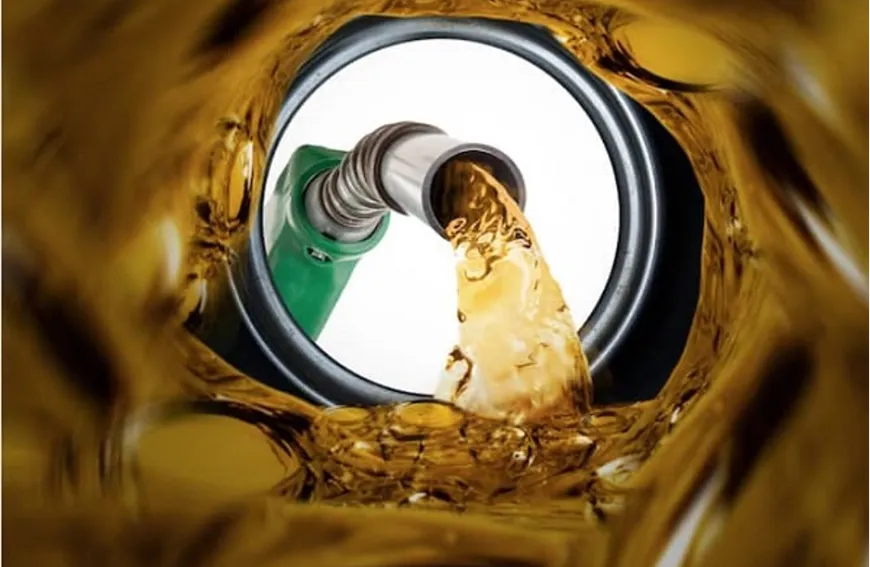
The agreement, which is scheduled to be signed in Switzerland, is expected to extend the truce for another 60 days while both sides negotiate a final agreement. One of the key results that has already been announced will be the opening of the Strait of Hormuz, the most important oil transportation route in the world. Its partial closure in recent weeks has caused disruptions in oil supply chains, leading to higher global crude oil prices and, as a result, increased fuel costs in importing countries such as Kenya.
With the decrease in international tensions, oil markets are beginning to stabilize, which gives hope for lower prices for petroleum products in future price cycles. A significant part of the world's oil exports pass through the Strait of Hormuz. Any violation there immediately reduces global supply and leads to higher prices.
Thus, the truce between the United States and Iran has reduced concerns about new supply disruptions, which contributed to a slight decrease in crude oil prices on world markets. For Kenya, which is heavily dependent on refined fuel imports, fluctuations in global prices directly affect the monthly price revisions conducted by the Energy and Petroleum Regulatory Authority (EPRA). A steady decline in global oil prices may reduce pressure on local gas station prices in the coming months.
The latest EPRA report shows that changes in domestic prices are still influenced by subsidies and previous import costs. Fuel prices in Kenya are falling. In the latest survey, diesel prices have dropped by 10 Kenyan shillings per liter since midnight Sunday, thanks to an unprecedented government subsidy aimed at protecting consumers from the high cost of living.
President William Ruto had previously assured that the cost of diesel fuel would decrease by 10 shillings. However, changes in the pricing methodology for imported fuel initially raised doubts about whether consumers would benefit from this measure. «During the period under review, the maximum retail prices for gasoline and diesel decreased by 0.22 and 10 shillings, respectively, while the cost of kerosene remained the same», the Energy and Petroleum Regulatory Authority (EPRA) said.
This statement confirmed partial relief for consumers, especially for transportation companies that rely heavily on diesel fuel. The decline in diesel fuel prices comes amid continued inflation in Kenya, which recently reached 6.7%, approaching the government's target of 7.5%. The increase in diesel fuel prices has become a key factor in inflation due to its impact on transportation and logistics costs.
Although lower prices temporarily ease the situation, economists warn that long-term stability will depend on global oil trends and the sustainability of subsidies.
It is expected that public transport companies that have previously protested over high diesel prices will reconsider their tariffs after reducing the cost of fuel. However, many believe that the price reduction may not happen immediately, as the operating costs accumulated due to previous increases remain significant.
Continued government subsidies and a reduction in geopolitical tensions between the United States and Iran could play a crucial role in further lowering fuel prices in the next review period. If the peace agreement between the United States and Iran leads to the stabilization of oil flows through the Strait of Hormuz, and global oil prices continue to decline, Kenya can expect additional fuel price reductions in the coming months. For now, the combination of domestic subsidies and improved international supplies is cautiously encouraging for Kenyan consumers, who continue to face high living costs.


Comments (0)