
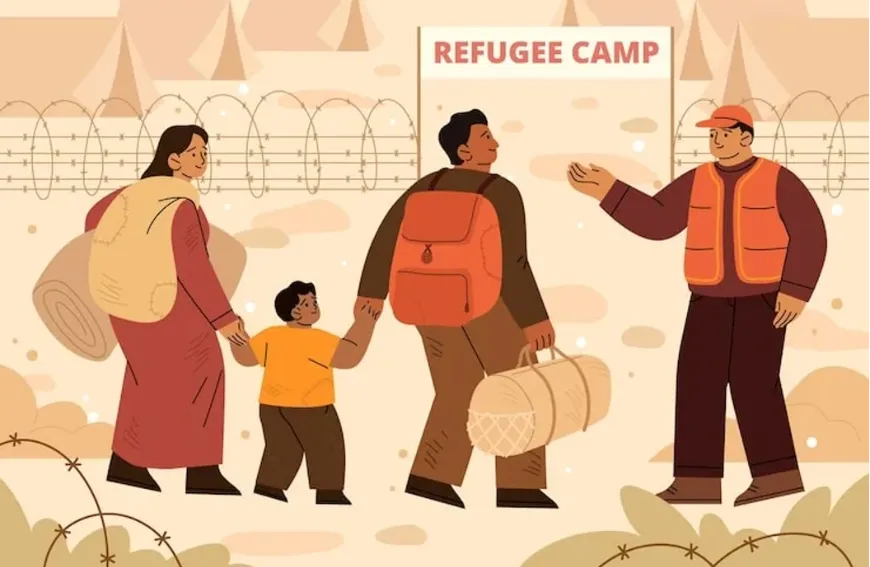
For many years, Uganda has gained worldwide recognition for its «open door» policy, allowing refugees to work, move freely, do business, and use land for agriculture. However, officials warn that it is becoming increasingly difficult to maintain these achievements due to the reduction in humanitarian aid. «Our funding has been reduced by more than 50%, which has a negative impact on the provision of services in all sectors», said Patrick Okello, Commissioner for Refugees in the Office of the Prime Minister (OPM).
Uganda is currently hosting about 2.02 million refugees, the largest number in Africa. Approximately 92% of them live in 13 settlements across the country, the rest are located in urban centers such as Kampala. Most of them are fleeing conflicts in neighboring South Sudan and the Democratic Republic of the Congo, although there are also those who came from Sudan, Eritrea and more than 20 other countries.
The model of working with refugees in Uganda is often cited as an example for the entire region. Through OPM, in collaboration with the Office of the United Nations High Commissioner for Refugees (UNHCR) and humanitarian partners, the country has invested in refugee registration, protection, issuance of identity cards and access to basic services. More than 500,000 refugee children attend schools, and many families have received land for agriculture and livelihood. However, these achievements are now under threat.
The crisis primarily affected food aid. Refugees receiving support from the World Food Program now receive food rations worth about $3 per month. According to representatives, this amount is significantly lower than necessary to meet basic nutritional needs. «I can't imagine how anyone can survive on $3 a month. The consequences are already obvious. Child labor is becoming a reality, as families, in an effort to meet basic needs, force children to drop out of school in order to find food or earn money. Schools in areas where refugees live are also experiencing difficulties due to overcrowded classrooms and a shortage of teachers», Okello said. The reduction in funding also puts pressure on medical services and increases the risks for vulnerable families.
Despite the mounting problems, government representatives emphasize that refugees should not be perceived only as recipients of assistance. On the contrary, they argue that Uganda's inclusive policies have allowed many refugees to actively participate in the country's economy. Authorities estimate that businesses owned by refugees have created over 300,000 jobs for both refugees and Ugandan citizens. Officials also note the arrival of qualified specialists, including engineers and doctors, whose skills have been enhanced by local services. «We have received highly qualified specialists such as medical experts and engineers who share their experience with Ugandans», Okello said. Refugees also create an important market for local goods, opening up economic prospects for the communities around them.

Comments (0)