
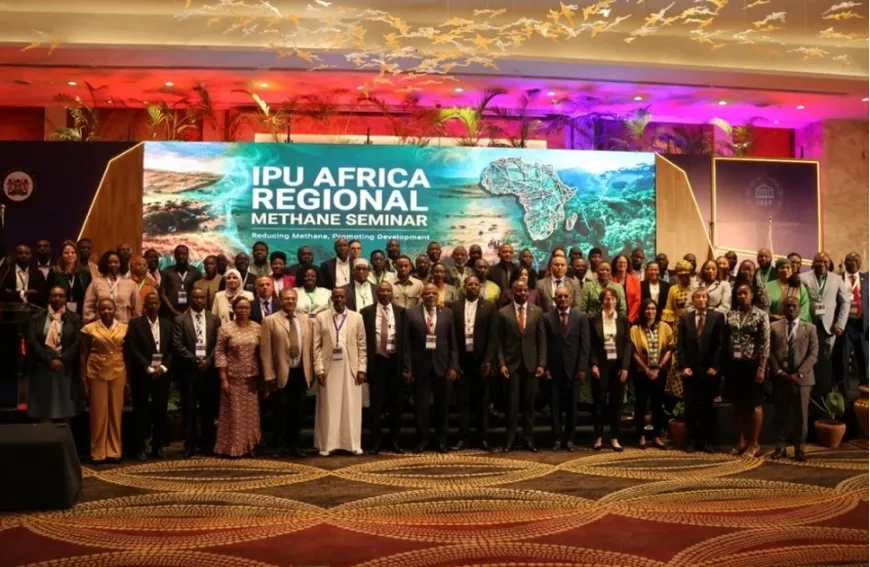
J.M. Mr. N'Gene, secretary of the Senate and the Parliamentary Service Commission, described the seminar as an important opportunity for African legislatures to play their role in protecting the environment. He stressed that parliaments must provide leadership and represent the interests of citizens to ensure a sustainable and prosperous future. In addition, he urged delegates to use the platform to strengthen ties and cross-border cooperation.
Senate Speaker Amason Kingi emphasized that climate change is now a pressing governance, economic and health issue that requires urgent political action. He noted that despite significant challenges, there are opportunities to convert methane into clean energy through improved waste and manure management.
Dr. George Wamukoya highlighted the continent's vulnerability, noting that Africa contributes minimal to global emissions but faces serious adaptation challenges. He warned that by 2050, crop yields could decline by 30 percent, and by 2030, water shortages could affect millions of people. In addition, the World Health Organization (WHO) predicts that between 2030 and 2050, there will be an additional 250,000 deaths per year worldwide due to climate-related health risks.
Charity Katambi, chair of the Parliamentary Group on Climate Change and Environmental Protection, pointed to the recent devastating floods in Nairobi as evidence of the climate crisis. She urged her colleagues to prioritise strengthening climate legislation, in particular on methane regulation, climate finance and accountability mechanisms.
Methane is a potent greenhouse gas that is estimated to be more than 80 times more effective at trapping heat than carbon dioxide over a period of 20 years. Reducing its content is considered one of the fastest ways to slow global warming. In Kenya, FAO names livestock (55-65%), waste (15-25%), manure processing (5-10%) and rice cultivation (less than 5%) as the main sources of methane, which are key areas for sustainable innovation and investment.

Comments (0)